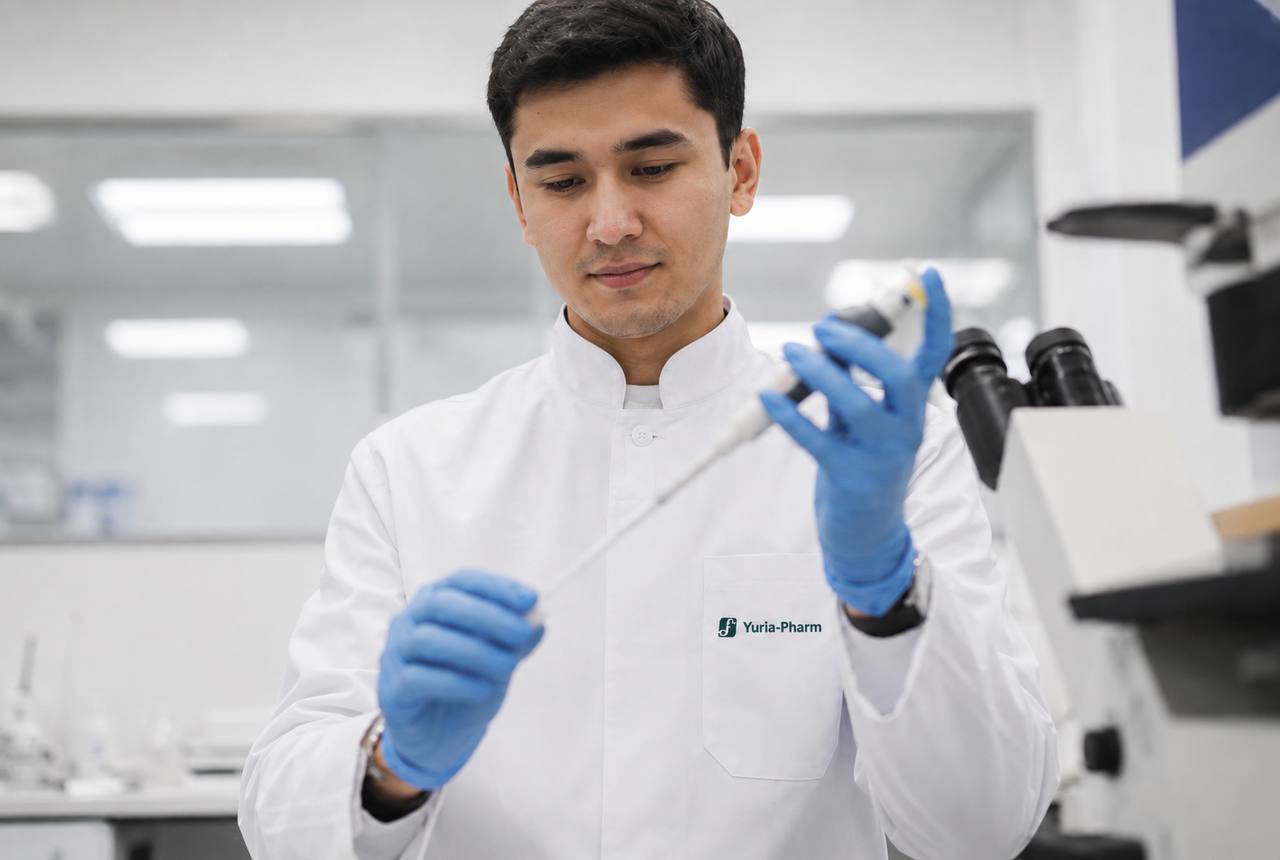
How Yuria-Pharm is bringing European quality standards to Central Asia: the transformation story of a plant in Uzbekistan

In the first days of March, the CEO of the pharmaceutical plant Reka-Med Farm, Islom Kosimov, was sitting at a table in the government meeting hall. In such settings, discussions are usually not about operational tasks, but about national-scale development strategies that will define the future of the industry.
The President of Uzbekistan, Shavkat Mirziyoyev, set a strategic goal for pharmaceutical market participants: to increase the share of domestically produced medicines to 70% by 2030.
The size of the pharmaceutical market in Uzbekistan has reached around $2.5 billion; however, out of more than 300 pharmaceutical enterprises in the country, only 58 companies are engaged in manufacturing.
At the same time, working solely under national GMP certification is no longer sufficient: activities must be aligned with European standards. Starting from June 1, 50% of the costs of obtaining the Euro GMP certificate will be reimbursed by the Trade Promotion Fund.
For Reka-Med Farm, this task is not new. Over the past year, the team led by Islom Kosimov has been modernizing production and implementing European quality standards.
In 2023, one of the leaders of the Ukrainian pharmaceutical market, Yuria-Pharm—exporting products to more than 40 countries—acquired the Uzbek plant Reka-Med Farm with the support of a loan from the European Bank for Reconstruction and Development (EBRD).

By the end of 2025, Yuria-Pharm holds the second position in the pharmaceutical market of Uzbekistan. According to Proxima Research, two of the company’s brands have become market leaders in the country: the infusion therapy drug Reosorbilact ranked No. 1, showing nearly 24% growth, while Tivortin ranked No. 2.
“For us, the meeting at the presidential level is an important signal: the development of local pharmaceutical production by Yuria-Pharm in Uzbekistan, the introduction of modern technologies, and the move toward European GMP standards are today becoming not only a business task, but also part of a national strategy,” says Islom Kosimov. According to him, in terms of development level, Reka-Med Farm is among the leading pharmaceutical manufacturers in Uzbekistan.
However, the story of Reka-Med Farm cannot be described within the framework of a single plant case. The enterprise is developing as part of the production model of Yuria-Pharm, with technology transfer, a strict quality system, and a phased integration of standards on which the company has built its international reputation.
Quality as a System
For a pharmaceutical company, localization and modernization of production are first and foremost a matter of trust. The market must be confident that a product manufactured at a new site meets the same requirements as the medicines already trusted by doctors, pharmacies, and patients.
Islom Kosimov notes that at Reka-Med Farm, the quality system was originally built with the future integration of European pharmaceutical manufacturing standards in mind.
One of the key outcomes of the modernization, in addition to expanding production capacity, was the upgrading of manufacturing processes.
A significant share of operations was automated, which helped minimize the influence of the human factor and improve overall quality stability.
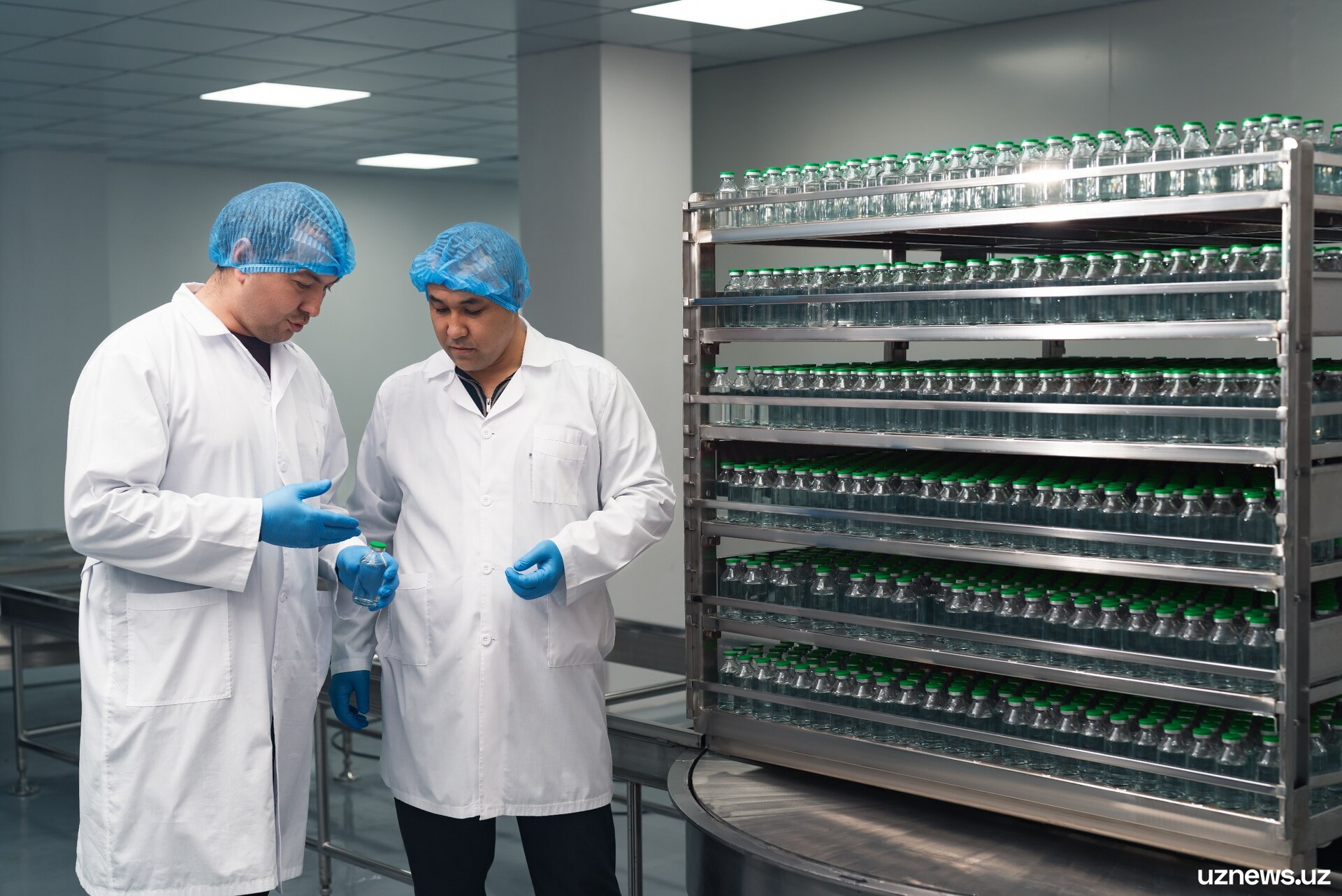
Quality director of Reka-Med Farm, Alena Lavrenko, has been working at Yuria-Pharm since 2010.
“It is very important that a culture of quality is embedded into every production process, rather than being perceived as control from a separate department,” she notes.
When building the new system at the facility, the company applied the approaches and procedures used within Yuria-Pharm.
Core processes, document structures, and coding systems were taken from the Ukrainian model and adapted to the specific equipment and infrastructure of the plant.
This will allow the enterprise to be further integrated into the group’s unified quality system. At the same time, the company aligned with current European requirements while also taking into account the applicable regulatory framework of Uzbekistan.
“GMP standards in Ukraine are fully harmonized with European ones, and the country rapidly adapts regulatory updates. Uzbekistan is also currently transitioning to a new revision of GMP requirements. Pharmaceutical companies have been given about one and a half years to adapt to the updated standards,” says Alena Lavrenko.
GMP is an international standard that defines how a pharmaceutical company must organize production, quality control, documentation, personnel operations, and the manufacturing environment to ensure that medicines are consistently produced with safety, quality, and reliability guarantees.
Production Modernization
Production director of Reka-Med Farm, Igor Litvinov, has been with Yuria-Pharm since his student years: he joined the company as an intern during his studies at a technological university, grew within the system, advanced to the position of head of the quality control department, and later relocated to Uzbekistan.
Preparation for modernization began in the first months of 2025, with the team tasked with increasing production volumes and improving operational efficiency.
One of the central areas of upgrade was the water purification system — a critical foundation for infusion production, says Igor Litvinov. At the facility, storage capacities for water were expanded, a modern ultrafiltration system was implemented, and the overall capacity of the section was increased.
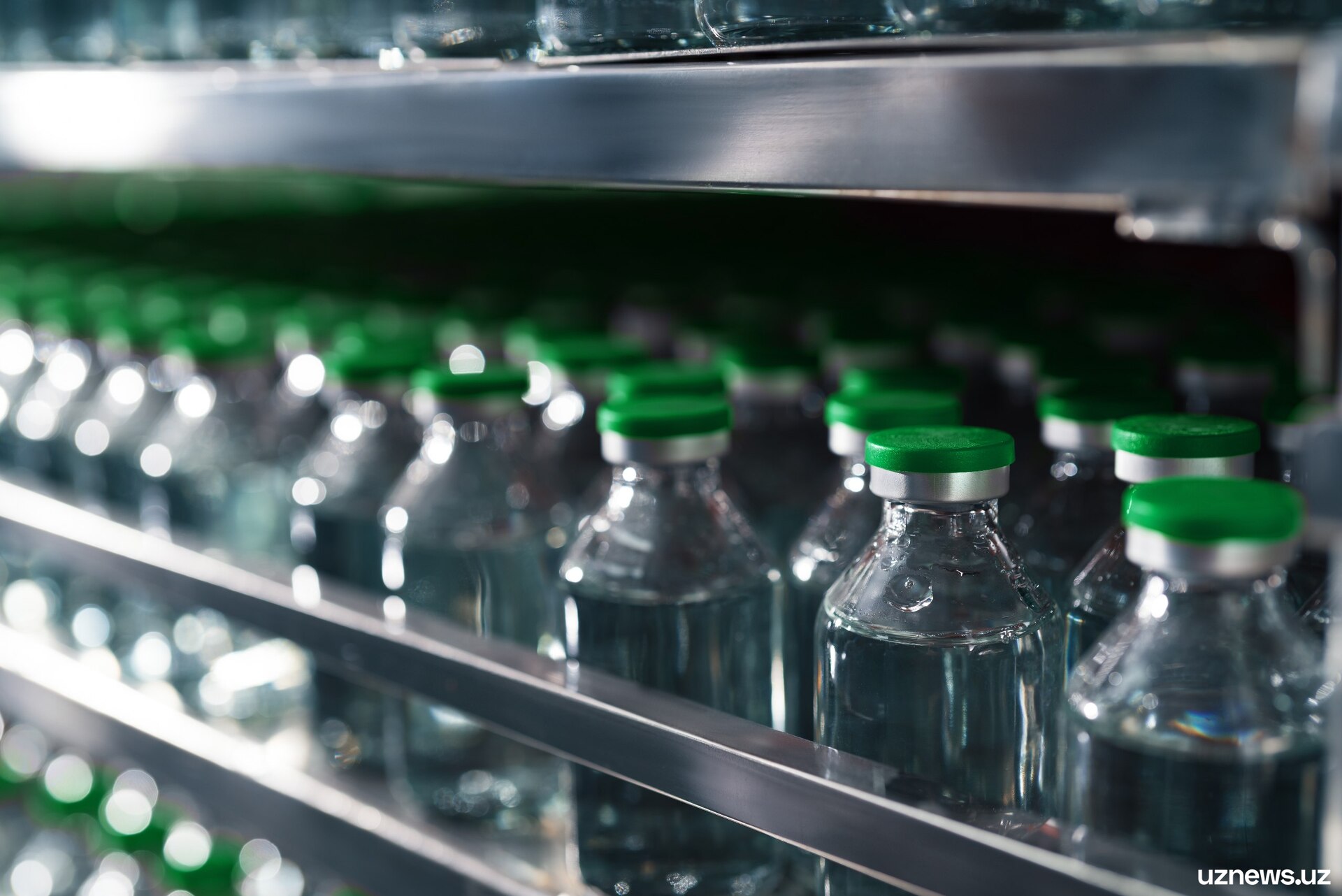
In parallel, the solution preparation department was also modernized: new reactors, mixing blenders, and a weighing (tensiometry) system were installed to ensure more precise mass control at technological stages.
In addition, cleanrooms and HVAC systems were upgraded, new sterilization equipment was installed, and the packaging flow was redesigned with the introduction of a cartoning machine.
“The reconstruction of the infusion production proved to be more extensive than initially planned and affected key elements of both infrastructure and the production cycle: in addition to production lines, we fully upgraded engineering systems, ventilation, and the building itself,” explains Yuria-Pharm modernization head Artem Semiekhin.
A strong emphasis was also placed on digitalization and process control. Production operations were integrated into a SCADA control system, which records technological parameters and enables real-time monitoring of the entire production process, correlating data with technical dossiers and batch records.
For pharmaceuticals, this is critical: such a system reduces the influence of the human factor and makes the process more controlled and reproducible.
“For each process, you can see when it started and ended, under what conditions it was carried out, and what parameters were obtained. In effect, a kind of ‘cardiogram’ of the production process is formed,” explains Alena Lavrenko.
Modernization directly impacted the plant’s production capacity. Target output increased by approximately 50% to around 13.5 million units per year. Today, the joint venture Reka-Med Farm produces infusion solutions in 100 ml and 200 ml bottles, including key products such as Tivortin and Reosorbilact.
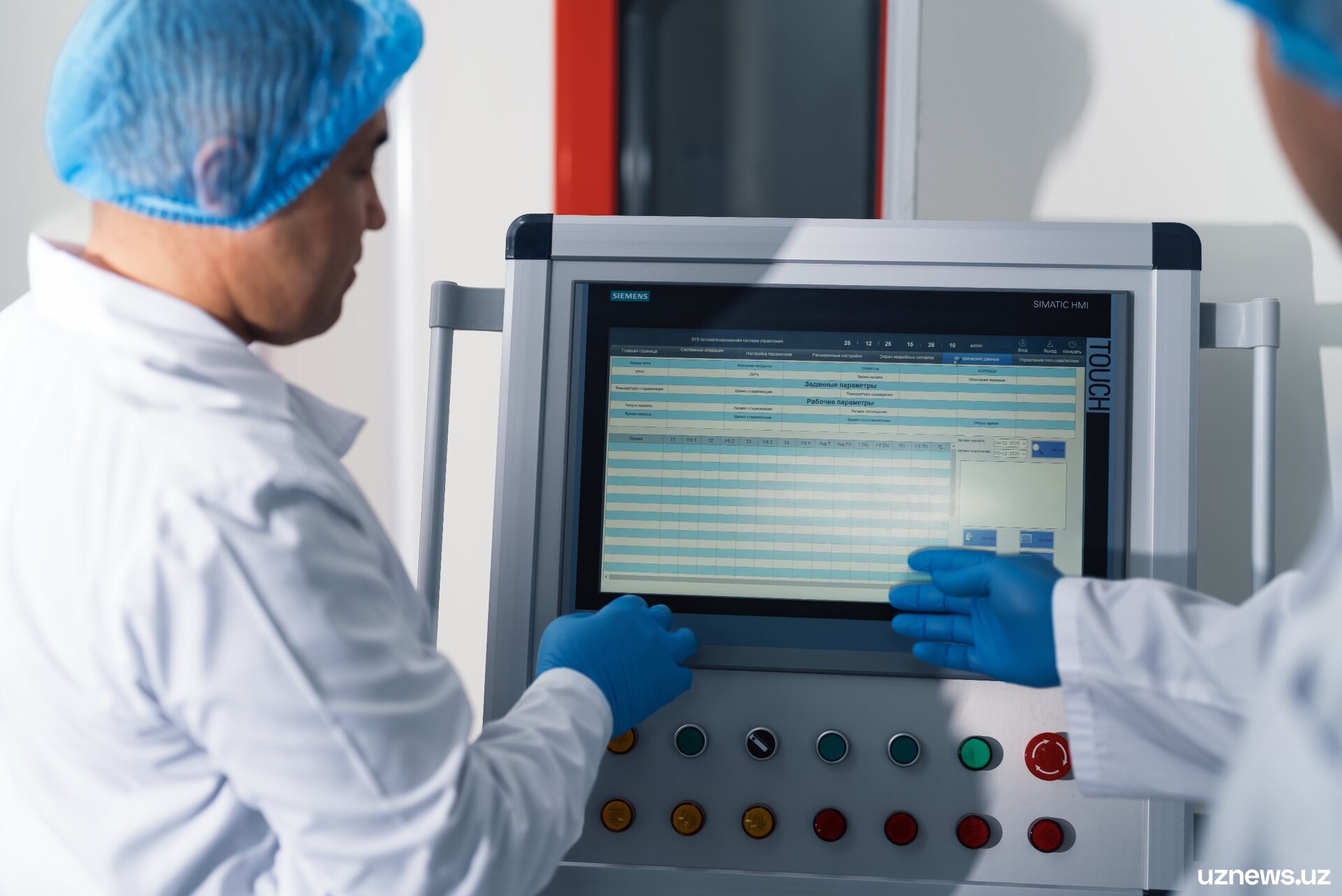
Chief Technologist of Reka-Med Farm, Shinyar Ustenov, is responsible for the entire production cycle — from raw material intake to finished product release, including compliance with GMP standards.
He became one of the key figures in preparing the technical specifications for the plant’s modernization. According to him, one of the main achievements of recent months has been the full automation of solution preparation processes.
Separate formulations have been developed for each product, and operator involvement has been reduced to a minimum. This has enabled up to 100% reproducibility, reduced losses, and optimized production costs.
He describes the launch of the upgraded production site as the most challenging stage — involving the introduction of new equipment alongside simultaneous staff training under tight deadlines. One of the important outcomes of this work was obtaining a GMP certificate for the glass packaging infusion line.
After modernization, one of the key tasks of the quality department was to build a full-fledged process system and train employees to work under new standards. According to Alena Lavrenko, around 100–150 specifications and approximately 350 standard operating procedures were developed.
A key principle was the involvement of production specialists themselves in the development of documentation, which helped them better understand its purpose and practical application.
People and Production Culture
In pharmaceuticals, modernization is never limited to equipment alone. New production lines, water purification systems, or digital control platforms create the foundation, but sustainable quality emerges where everyday working culture changes. According to Islom Kosimov, this has been one of the key priorities in recent years.
After the enterprise joined the Yuria-Pharm group, the team focused not on radical staff replacement, but on developing existing employees.
Systematic training in GMP and Kaizen was introduced at Reka-Med Farm, with regular team-based work aimed at ensuring that quality is not perceived as the function of a separate department, but as a shared responsibility of the entire organization.
In an industry where the cost of error is extremely high, this becomes a matter of the stability of the entire production model.
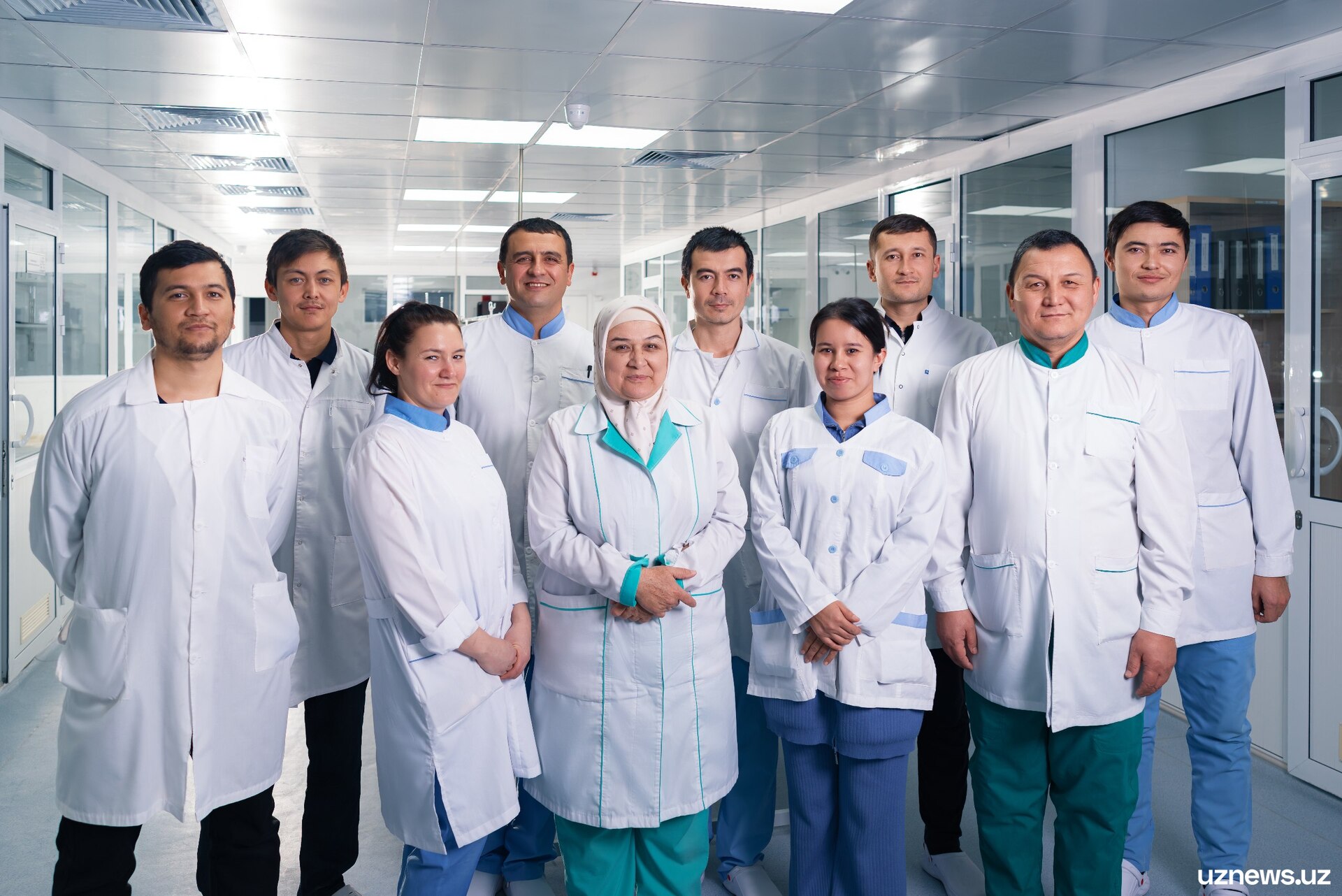
According to the HR Director of Reka-Med Farm, Kseniya Benkovskaya, the foundation of people management is based on the core values of Yuria-Pharm — honesty, integrity, and humanity.
“Our key principle is to be soft on people, but strict on problems,” she notes.
The company acknowledges that different cultural models can coexist within one organization: in sales, the environment is usually more flexible and democratic, while in production, strict processes, instructions, and discipline are critical. However, the overall logic remains unified — culture must be oriented toward results and personal accountability.
As Benkovskaya emphasizes, product quality in pharmaceuticals starts with people. Therefore, the HR system is built not only around recruitment, but also around onboarding, training, development, and retention of employees.
This is especially important amid labor market shortages, where it is increasingly difficult to find chemists, microbiologists, engineers, and production managers. In such conditions, the company’s task is to create an environment where they can grow and remain long-term.
One of the key priorities has been changing employees’ attitude toward deviations and errors. At Reka-Med Farm, a practice has been consistently introduced in which problems are not ignored, but immediately recorded and escalated for action.
For this purpose, regular planning meetings, feedback sessions, one-to-one meetings, and training are used. The company is already seeing results: employees are becoming more engaged and more willing to take responsibility for process quality.
According to Kosimov, one of the most noticeable outcomes has been a shift in how people perceive their roles. If previously deviations were seen as secondary issues, today employees respond differently — treating them as problems that must be immediately addressed.
A QR-code system has been implemented at the plant, allowing any employee to quickly report an error or malfunction. From there, a non-punitive logic takes over: the team analyzes the root cause, resolves it, and provides feedback.
This approach is fundamental for Reka-Med Farm. Errors are not seen as a reason to find someone to blame, but as signals that a process needs improvement — organizational, technical, or educational. This is especially critical in areas where employees directly handle finished products.
“We also record operational improvements: response time to production incidents has been reduced from several hours to 10–15 minutes,” notes Artem Semiekhin.

A separate task was the integration of Ukrainian specialists who were brought in to accelerate technology transfer and the implementation of Yuria-Pharm standards.
According to Kosimov’s assessment, this process was successful: the team was able to adapt quickly, establish effective working relationships, and begin operating as a unified production system.
Currently, Reka-Med Farm employs around 300 specialists, of whom 6 are from Ukraine.
Plans and Development
The CEO of Reka-Med Farm notes that since the acquisition of the enterprise, investments made by Yuria-Pharm have amounted to tens of millions of dollars, including funding from the European Bank for Reconstruction and Development (EBRD).
These funds have been directed toward upgrading production lines and implementing new technological solutions.
The participation of a major European financial institution in the project serves as an important signal of trust in the company — in its ability to operate under high standards of governance, transparency, fulfillment of obligations, and readiness to comply with stricter European regulations.
According to Artem Semiekhin, the next stage of development will include the launch of new production facilities: an ampoule filling line, a sachet (bag) line, bottle filling using Blow-Fill-Seal technology, as well as further development of office and production infrastructure.
A particular challenge will be the introduction of plastic-based product formats, which have not yet been implemented even at other production sites of the company.
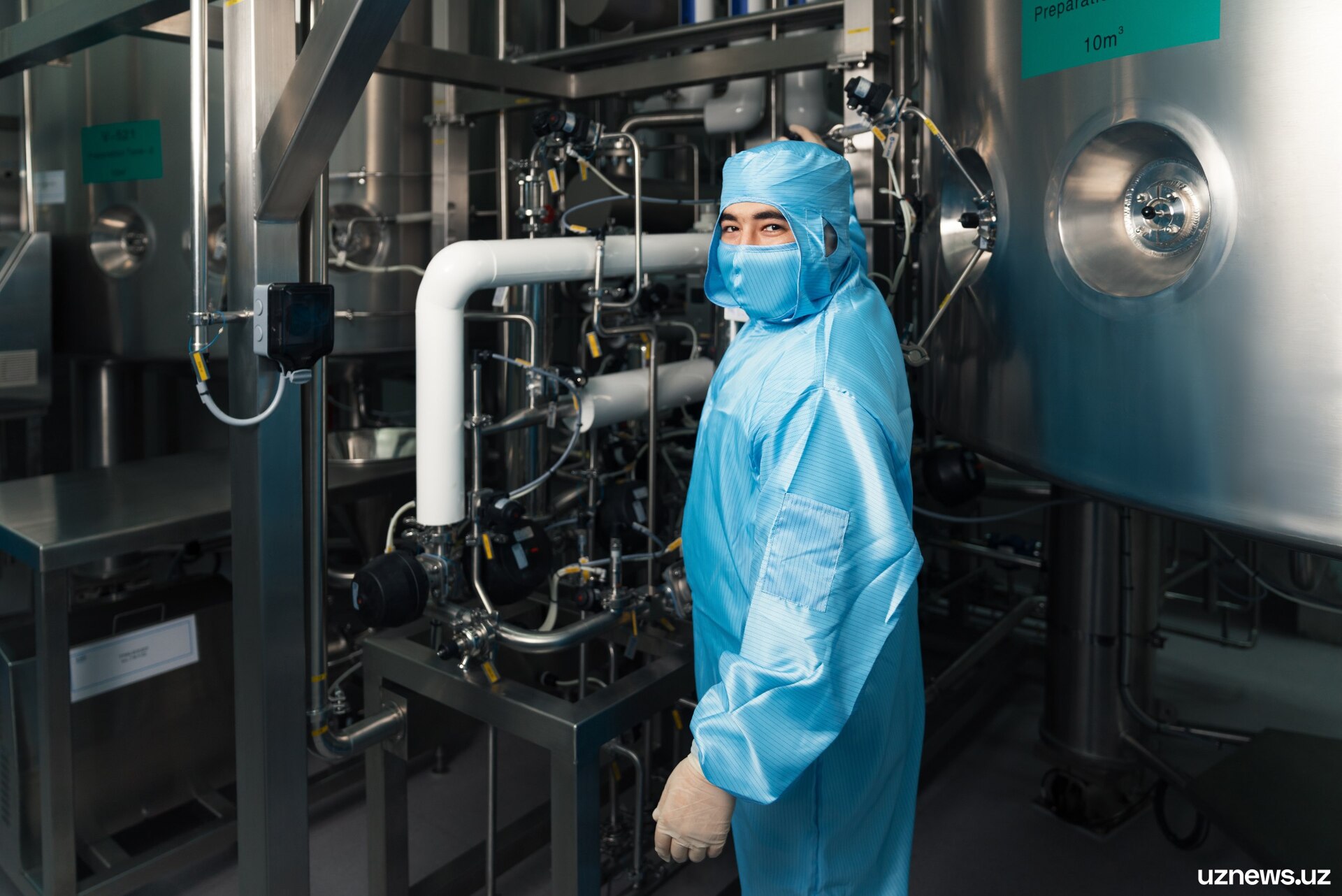
However, even now, the reconstruction of the infusion production area demonstrates a key principle: for Reka-Med Farm, modernization is not a point-by-point replacement of equipment, but a continuous redesign of the production environment in which quality, precision, and scalability are embedded into the very architecture of processes, notes Igor Litvinov.
After obtaining GMP certification, Reka-Med Farm began exporting its products. Tajikistan became the first export market. The drug Tivortin has already been shipped, while a delivery of Reosorbilact is being prepared.
According to Kosimov, export procedures have become significantly simpler: customs-related issues are resolved quickly, and manufacturers receive full support from government authorities.
In the future, other regional markets are also being considered, including Kazakhstan and other Central Asian countries. “In the medium term, Yuria-Pharm will continue to develop its core leadership strengths — technology development, workforce training, and strict quality control,” adds the CEO of Reka-Med Farm.